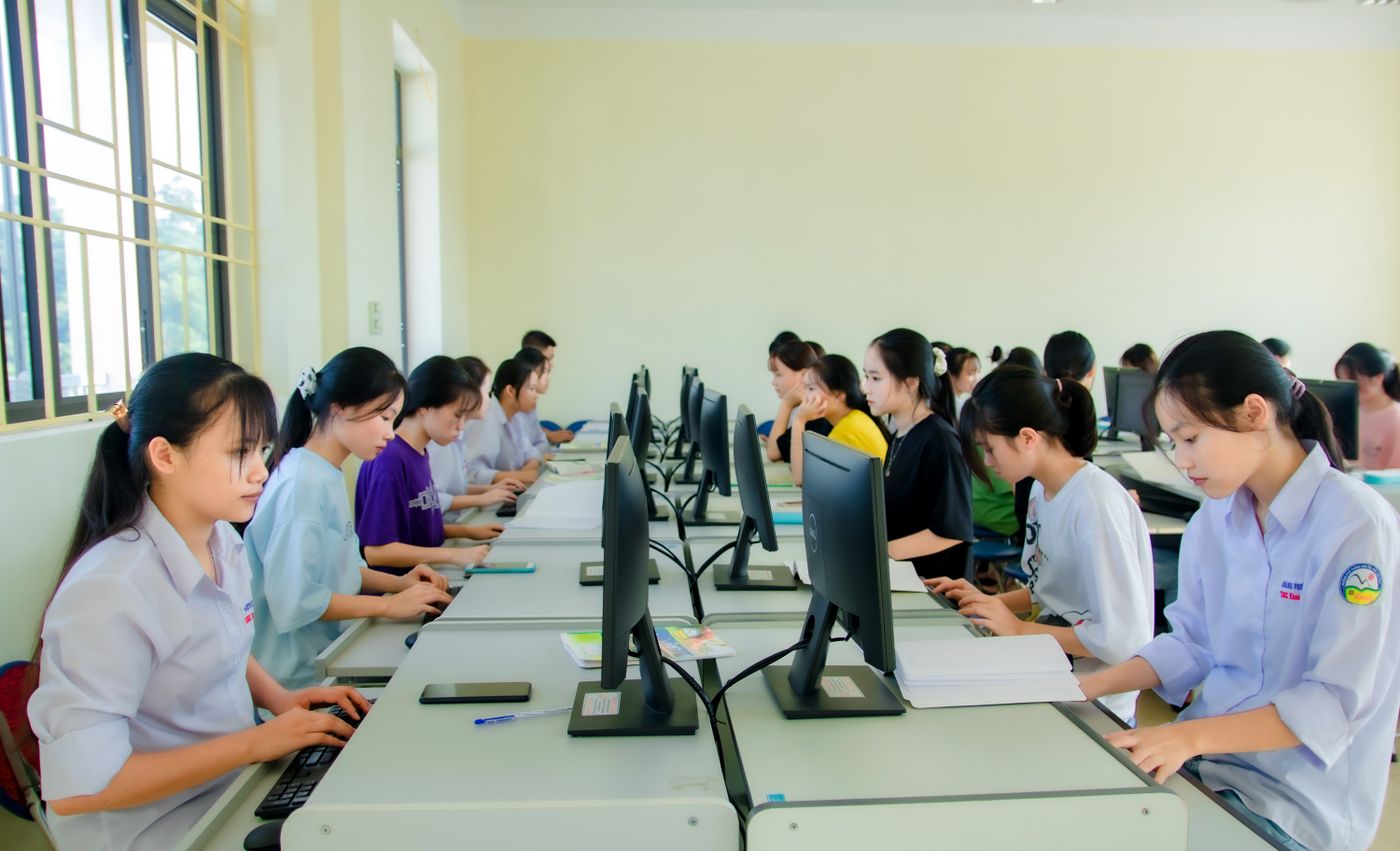
Examination networks live under a contradiction: they must be the most locked-down systems on campus and the most reliable ones, at the exact same moment, with hundreds of nervous candidates watching. Here is the approach that has carried multiple testing cycles without a session-disrupting incident.
Isolate first, argue later
Exam traffic should never share fate with the rest of campus. Dedicated VLANs, explicit access lists and monitored uplinks mean a misbehaving device in a hostel cannot reach a candidate’s session. Isolation is also what makes malpractice technically difficult rather than merely forbidden — blocked paths beat written rules.
Harden the endpoint, not just the network
Most exam-day failures I have seen were endpoints, not networks: auto-updates rebooting mid-session, USB drives appearing where they shouldn’t, browsers wandering off-task. Locked profiles, kiosk-mode testing clients, controlled peripherals and update blackout windows during testing cycles remove the entire category.
- Snapshot virtualized exam servers before every cycle — rollback beats repair.
- Rehearse at full candidate load, not with five test machines.
- Keep imaged spares and a staffed operations desk for every session.
Rehearsal is the security control nobody budgets for
A full mock session under load catches what checklists miss: the DHCP scope that runs out at candidate 300, the printer VLAN leaking into the exam segment, the invigilator who can’t reach support. Every rehearsal has paid for itself many times over on the real day.
Security that survives contact with exam day is security that was tested on something shaped like exam day. Everything else is hope with a firewall.
Running high-stakes exams?
Get infrastructure and operations that hold up
when hundreds of candidates log in at once.